What we do

at maxcontact

We’re the team behind the AI-powered customer engagement platform that’s transforming how businesses connect with their customers – turning every conversation into a revenue-driving moment.

join the team

careers at

maxcontact

Explore open positions and discover the wide range of opportunities across departments.

maxcontact's leadership team

CEO
Ben Booth

Ben is CEO and co-founder of MaxContact, bringing over 20 years' experience helping businesses transform their customer engagement strategies. Since 2015, he's built MaxContact into one of the North's top 50 fastest-growing tech companies, creating innovative solutions that actually deliver on their promises.

CFO
Adam Prickett

Adam joined MaxContact as Chief Financial Officer in 2024, bringing extensive experience driving growth in high-growth technology companies. Prior to MaxContact, he was CFO at AppLearn, leading the business through its successful sale to Nexthink - demonstrating his track record of delivering results at board level.

VP of Engineering
Matt Yates

Matt is VP of Engineering at MaxContact, leading Product Development and Operations with 20 years' experience across high-tech companies including Autotrader, AppSense and Ivanti. He's passionate about building high-performing engineering teams that deliver valuable solutions through a culture of continuous improvement and innovation.

Marketing Director
Kayleigh Tait

Kayleigh joined MaxContact as Marketing Director in 2020, bringing extensive experience leading marketing teams across Greater Manchester's tech sector. She drives the company's growth and brand innovation through strategic marketing that delivers measurable results.

Operations Director
Jamie MacSween

Jamie joined MaxContact as Operations Director in 2024, bringing 25 years' experience in technology and software companies. He's successfully led multiple businesses through growth and exits - including the sale of Logicalware to Puzzel - and now applies this expertise to optimise operations and drive sustainable growth at MaxContact.

Strategic Partnership Director
Richard Coward

Richard is Enterprise and Strategic Partner Director at MaxContact, bringing 15 years' experience advising businesses on contact centre solutions - from his early days as an advisor at RAC and Caudwell Communications to leadership roles. As a co-founder, he now identifies partners who share MaxContact's mission, building relationships that drive revenue and innovation across the business.

VP of Sales
Richard Langham

Richard joined MaxContact as VP of Sales in 2025, bringing a track record of delivering consistent double-digit growth across technology businesses. He's passionate about driving transformation and celebrating success - whether refining processes or leading large-scale change that benefits customers and teams alike.

Head of People
Hannah Homes

Hannah joined MaxContact as Head of People, bringing extensive experience partnering with senior leaders in fast-growth and transformation environments. In her newly created role, she leads MaxContact's people strategy - spanning leadership development, organisational design, and performance frameworks - ensuring the people agenda directly enables the company's commercial ambitions.

discover

our vision & mission

We're driven by a clear vision of what's possible and a mission that keeps us focused on delivering real value. This is what shapes everything we do.

Our Vision

We want to transform customer contact into the fuel that powers forward thinking companies.

Our Mission

We will do this by combining intelligent technology, industry expertise and pro-active partnerships.

"We saw a 400% to 425% increase in productivity just overnight when we moved from manual dialling to MaxContact's automatic dialling."

John Wigglesworth
Head of Governance, Risk & Compliance, Easi Pay

“From the outset, MaxContact understood what we wanted. They listened to what our concerns were and what we wanted the project to deliver for us”

Kelly Read
Assistant Team Manager, Dudley Council

"We're really pleased with MaxContact's platform. The ease of use and all information being readily available at the click of a button within the reporting suite is brilliant."

Paul Eagan
Head of Contact Centre Operations, STA International

"MaxContact's support team is fantastic. They held our hand all the way through and made sure that we're happy with everything and helped us build the custom reports we needed."

Karl Burke
Contact Centre Manager, Honey Group

"The MaxContact solution gives our teams the freedom to carry out their roles and flexibility to work securely in and out of the office, which has increased job satisfaction."

Gareth Morgan
Operations and Communications Manager, H&T Pawnbrokers

"The relationship we have with MaxContact, their own commitment to innovation and the fact they know our business has helped technology become a point of difference for us."

Brian Roscoe
IT Director, Advantis

"From an efficiency perspective, we’ve definitely seen around twenty five to thirty percent uplift, just from utilising the MaxContact platform."

Andrew Dent
Operations Director, Connectivity CX

"We can now measure performance and productivity anytime, strategise effectively, and the wallboards and leaderboards add healthy competition our agents enjoy.”

Steph Warricker
Operations Manager, D2MS

"We’ve definitely seen a marked improvement in productivity, and we are starting to see financial benefits of having a fast reliable outbound dialler."

Adam Brown
Data Manager, Return Fundraising

"Everyone says they've got your best interests at heart. Compared to the previous people we worked with, MaxContact have more of a desire to understand our business and therefore drive action that will impact change."

Charles Butler
Head of Growth, We Finance Any Car

"Our revenue has at least tripled since using MaxContact, we were doing around 250 deals per month, now we've managed to achieve 1000 deals in a month - which is record breaking for any WorldPay partner."

John Wigglesworth
Head of Governance, Risk & Compliance, The Redwood Group

“The live dashboards help me and my Team Leaders live monitor what the agents are doing at any moment in time, so we can support them if they are struggling.”

Daniel Evans
Operations Manager, Marston Holdings

“We’ve increased contact rates with our customers, which has been massive. When you’re sourcing leads, you want to make sure your contact ratio is as high as possible, so that’s been a huge positive for us.”

Mark Thomas
CEO, Compare My Insurance

"Our AI Agent helps us serve customers by providing instant responses and addressing queries efficiently. Gone are the times when customers had to wait 30 minutes to speak to a human."

Product Manager
Product Manager, InDebted

“We outlined what we needed to performance manage, and MaxContact delivered the insights that help us monitor our service and spot areas for improvements across our team.”

Kelly Read
Assistant Team Manager, Dudley Council

"With MaxContact's conversation analytics, we can proactively support our agents and maintain complete oversight, so we never miss a critical moment or insight."

Sarah Franks
Call Centre Manager, ICX

"Handling over 2,000 daily calls while providing an enhanced customer experience through intelligent automation and skilled team focus."

James Walsh
Head of Technology & Communications, Kandoo Car Credit

"Ultimately, the platform represents another symptomatic diagnostic tool to be used by clinicians to deliver the best possible care"

Professor Josephine Sau Fan Chow
Professor, South Western Sydney Local Health District

"The MaxContact customer engagement platform allows us to provide a cost-effective, reliable omnichannel service to our clients"

Craig Scott
Group Operations Director, Marston Holdings

"I faced some delays in support response. However, the quality of the product makes it worth it."

Linda Thompson
HR Manager at Global Corp
discover

our values

Our values shape everything - from how we build our product to how we support our customers.

Speak to more people 
with less effort

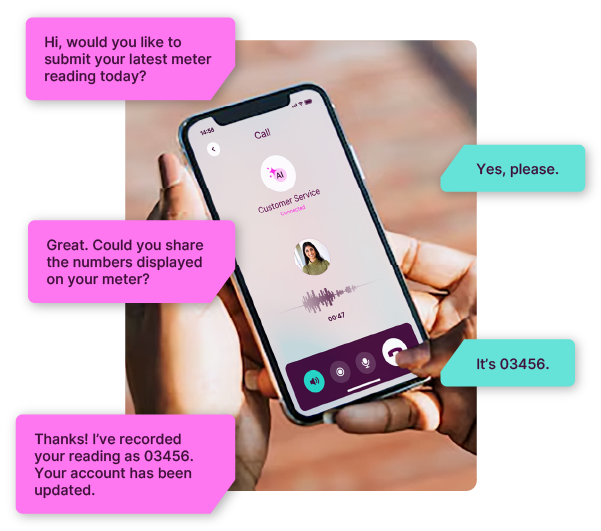
Reach more customers with less effort. Let automated dialling do the hard work and give your team more time to talk.

Medium length section heading goes here

Lorem ipsum dolor sit amet, consectetur adipiscing elit. Suspendisse varius enim in eros elementum tristique.

Medium length section heading goes here

Lorem ipsum dolor sit amet, consectetur adipiscing elit. Suspendisse varius enim in eros elementum tristique.

Medium length section heading goes here

Lorem ipsum dolor sit amet, consectetur adipiscing elit. Suspendisse varius enim in eros elementum tristique.

Medium length section heading goes here

Lorem ipsum dolor sit amet, consectetur adipiscing elit. Suspendisse varius enim in eros elementum tristique.

our Story

The evolution of MaxContact

Explore our early foundations and our impact on the call centre industry.

2025: Award-Winning Innovation

Launched our AI Agent platforms and were named Best Performing Company in Customer Relationship Management at the Megabuyte Emerging Stars Awards - recognition of our continued innovation and market leadership.

2023–2024: Innovation Accelerates

Secured further funding from NatWest and launched our Conversational Analytics platform - bringing AI-powered insights to customer conversations at scale.

2021: Backed for Scale

Secured private equity investment to accelerate growth. We passed 100 clients, 5,000 agents, and expanded our team to meet increasing demand.

2016–2018: Rapid Growth and Innovation

We scaled quickly, growing from 30 clients and 1,100 agents to 75 clients and 3,200 agents. During this time, we achieved BSI ISO 27001 certification and added omnichannel capabilities - transforming how businesses engage with their customers.

2001-2015: Built from Experience

Our founders spent over a decade working with third-party contact centre systems - selling, supporting, and building add-ons. Frustrated by poor functionality and limited freedom, they decided to build something better. After four years of development, MaxContact launched in 2015.

1/5

maxcontact by numbers

A snapshot of our team, our customers, and the satisfaction we deliver.

employees
70+

A talented team dedicated to delivering exceptional customer outcomes.

CSAT
97%

Our customers rate us highly because we deliver on our promises.

CUSTOMERS
130+

Trusted by businesses across the world to transform customer engagement.

Real case studies

Challenges we’ve solved

See how businesses like yours are turning conversations into measurable results with MaxContact.

0:00

As a leading Business Process Outsourcing (BPO) provider, Marston Holdings transformed their service delivery by implementing MaxContact’s versatile contact centre solution.

Marston Holdings
View Case Study
0:00

Dudley Council implemented MaxContact’s dialler solution, transforming their rental income collection process. The integrated solution empowered the Lead Income team to manage operations more effectively, enhancing both team efficiency and service to the community.

Dudley Council
View Case Study
0:00

Commercial insurance services provider, Compare My Insurance, were frustrated by their previous system which meant they weren’t dealing with customers efficiently and were missing out on opportunities. MaxContact’s solution has provided stability and reliability, boosting contact rates and efficiencies.

Compare My Insurance
View Case Study

Ready to Engage

Smarter?

Supercharge your customer interactions with MaxContact’s powerful, AI-driven platform - built to scale with your business, keep your data secure, and deliver results that matter.

always one step ahead

latest news

Our articles and industry insights give you expert perspectives, practical strategies, and the latest trends to help your business connect smarter and perform better.
Blog
5 min read
Outbound still pays - your customers just need a smarter approach

High-volume cold calling is losing ground. Here's what a high-performing, data-led outbound strategy looks like - and how to sell it to your customers.

High-volume cold calling based on limited data is no longer a cost-effective outbound strategy and in the B2C world can be non-compliant.

With both sales and debt collection, the public has grown wary of unsolicited calls and generic conversations. But that doesn’t mean outbound dialling is over as a revenue engine.

It means it has to be smarter, multi-channel and data-led. Based on real-time information and a refined dialling strategy. Often personalised in tone, timing and approach.

So, if you’re reselling UCaaS today, there’s a strong chance your customers’ outbound results are being held back by the platform they’re on. When revenues stagnate, contact rates fall or conversions get harder to close, the problem usually isn’t effort - it’s strategy, data and tooling. This blog sets out what a high-performing outbound operation looks like, so you can have that conversation with confidence.

The outbound metrics your customers should be measuring

The foundation of any smart outbound strategy is good information. Help your customers understand that without the right data, they can’t tell whether calls are reaching the right people, whether agents are performing, or whether their scripts are working. Measurement isn’t a nice-to-have - it’s where improvement starts.


Outbound KPIs to share with your customers:

•      Connect rates: are calls being connected to a real person?

•      Contact rate: how often are agents reaching the right decision-maker?

•      Data penetration rate: is their data being used effectively - are they making the most of high-value leads?

•      Conversion rate: the percentage of contacts that result in a positive outcome

•      Calls to success rate: the number of calls needed per successful result

Take conversion rate as a case in point. It tells your customers two things at once: the quality of their contact data, and the effectiveness of their team.

Better data means a higher likelihood of reaching the right person. Skills-based routing - matching the right agent to the right call- increases that further. And stronger training, combined with more refined scripts, means more of those conversations end the way they should.

Qualitative insight matters as much as the numbers

Quantitative KPIs don’t tell the full story.Improving contact rates will generate more conversations - but without the right skills in place to handle them, conversion rates won’t follow.

Encourage your customers to combine the numbers with qualitative insight: what objections are coming up most, what their customers are saying about competitors, and where conversations are breaking down.Helping them bring both lenses together is one of the most valuable things you can do as a partner - and it’s a conversation most resellers never have.

Industry-specific KPIs worth knowing

The metrics above apply broadly, but it’s worth helping your customers zone in on numbers that are specific to their sector.

In debt collection, promise to pay (PTP - the percentage of calls resulting in a commitment to pay) and percentage of debt collected are key indicators. In sales, first-call close rates and average revenue per call say a lot about campaign effectiveness.

MaxContact’s KPI Benchmark Report gives a detailed breakdown of what good looks like across sectors. It’s a useful resource to share with customers who want to know how their numbers stack up.

Benchmarking: what good looks like

Once your customers know what to measure, the next step is helping them understand what the numbers mean.

MaxContact’s own research found that the largest proportion of respondents - 34%, across both sales and debt collection - reported conversion rates of between 10% and 19%. Cold outbound sales calls typically convert at 1–3%; warmer, more targeted calls can reach as high as25%.

Broad benchmark ranges for common outbound KPIs:

•      Average handling time: 4–12 minutes

•      Contact rate(cold calls): 5–15%

•      First call resolution: 10–40%

These are broad ranges and will vary significantly by sector and product complexity. The more important thing for your customers is to track their own numbers consistently over time - and to understand what’s driving movement in either direction.

What your customers can do to improve outbound performance

Once your customers are tracking the right metrics,the focus shifts to moving them. Here are the levers most likely to make a meaningful difference - and the conversations worth having:

•      Team training and coaching - conversation analytics can surface objection patterns, benchmark individual and campaign performance, and show exactly where coaching will have the biggest effect.

•      Smarter dialling strategy - when are their contacts most likely to answer? Are they prioritising by lead value? Are they using the right dialler mode for the campaign? These are practical questions you can help them think through.

•      Omnichannel engagement - how does combining SMS, email and calls affect contact and conversion rates? Could AI agents handle routine calls while human agents focus on more complex or sensitive interactions?

The performance advantage you can offer your customers

Helping your customers understand and act on their outbound performance data is a powerful way to open the door to a bigger conversation. Standard UCaaS platforms can’t offer the range of insight and capability that a specialist customer engagement solution like MaxContact provides - and once customers seethe gap, the case for change makes itself.

Think conversation analytics, AI chatbots, workforce management, intelligent outbound dialling and sophisticated contact strategies - capabilities that standard UCaaS systems simply can’t match, and that enterprise-grade platforms price out of reach for most teams.

MaxContact delivers measurable results - from 200–300% increases in contact rates to doubling sales teams’ conversion rates. Benchmark Insights Report.

That’s because its intelligent, intuitive platform lets teams build smarter outbound strategies and tailor them for every campaign.

Talk to the MaxContact partner team about adding a specialist customer engagement solution to your portfolio. Book a call


Blog
5 min read
Are You Ready for AI In Your Contact Centre?

Learn what AI readiness really looks like - and download the scorecard to assess yours.
AI doesn’t fix contact centres. It scales them. If your journeys are joined up, automation can reduce the pressure your team is facing. However, if they’re fragmented, AI amplifies the friction - faster transfers, repetition and customer effort. That’s why the most useful question contact centre leaders can ask themselves isn’t “What can AI do?” - it’s, "Are we actually ready for it?".

Whether you’re running sales and retention in telecoms, payment collections with vulnerability considerations in finance, customer support in utilities, or managing multiple client programmes in a BPO, the readiness question is the same - do we have the foundations to automate without increasing customer effort or operational risk?

“Always-on” support is an operating model, not a staffing one. It's built to remove avoidable demand, protecting your team's time for high-judgement conversations, and making escalation safe when risk or complexity arises.

Always-On Service Starts with Resolution, Not Headcount.

Consumers are increasingly expecting help at any time of day, across voice and digital channels. But increasing headcount to meet 24/7 customer support expectations isn’t sustainable for most contact centres operating on tight margins.

An always-on contact centre doesn’t mean agents working around the clock. It means using AI and automation to absorb predictable demand across inbound and outbound – from service updates and appointment changes to sales follow-ups and renewals, to payment reminders and self-serve arrangements - without needing an agent for every interaction.

The trap many leaders fall into is assuming that automation alone creates always-on. It doesn’t. Always-on is the result of clear journeys, consistent rules, and controlled escalation.

The Real Readiness Problem: Avoidable Demand

Most contact centres don’t struggle because customers contact them. They struggle because customers are contacting them more than once.

A lot of volume is created by operational gaps:

  • Unresolved issues driving repeat contact
  • Too many transfers caused by poor routing
  • Long handle times driven by missing context
  • Channels operating as seperate service silos

This is the stuff that quietly drains performance. It also explains why some AI programmes stall: they automate interactions on top of broken flows, then wonder why customer effort doesn’t fall, and agent workload doesn’t change.

If you want a pragmatic AI strategy, start by identifying where the operation is generating demand it shouldn’t have to handle.

A Practical Readiness Lens: Demand, Continuity, Control

To make readiness tangible, use this simple lens. If any one of these is weak, automation outcomes will be capped - or worse, you’ll scale the wrong things.

1) Demand: Do You Know What Should Be Automated?

AI delivers value when it absorbs predictable, repeatable demand - the structured interactions that don’t require human judgement. If you can’t clearly separate predictable from complex demand, you’ll either automate the wrong things and frustrate your customers or keep too much with agents and miss the efficiency gains.

A pragmatic starting point is mapping the top drivers and asking: which ones are genuinely structured, and which are only “simple” because we’re not seeing the full context?

2) Continuity: Does Context Move with The Customer?

Customers think in outcomes, not channels. Readiness means your operation can maintain continuity when a conversation starts in chat and moves to voice, or when an outbound reminder triggers an inbound response, or when a customer returns with a follow-up and expects you to remember what happened last time.

If context doesn’t travel, automation becomes a reset button, and resets are where handle time, repeat contact, and frustration grow.

3) Control: Can You Escalate Safely and Measure Outcomes?

Automation should never be a dead end. When complexity rises, or when there’s vulnerability, a complaint, payment risk, or compliance exposure, you need controlled escalation to a human agent with the full context carried across.

If you can’t define escalation rules and success measures beyond containment” you’re not ready to scale. You’re ready to pilot.


Where AI Fits When You’re Ready: Layers, Not Channels

A common mistake is deploying AI as separate tools by channel - a chatbot here, an AI agent there - and expecting it to add up to an always on operation. It simply adds more mini contact centres to the one you already have.

A more practical approach is to treat AI as layers across the operating model:

  • Decision layer (AI Agents): Interprets intent, resolves structured interactions, and prevents outbound activity from automatically creating inbound pressure through unmanaged follow-up
  • Asynchronous layer (chatbots and messaging): Allows customers to complete routine tasks without joining a queue, while keeping journeys connected across voice and digital
  •  
  • Visibility Layer (Conversation Analytics): Shows where demand originates, where conversations stall, and what drives repeat contact so you can improve routing, coaching, and automation design based on evidence rather than instinct

When these layers support end-to-end workflows, AI stops being a bolt-on and becomes a genuine performance lever.


A Quick Readiness Check: The Questions Most Teams Skip

If you’re planning AI-enabled automation this quarter, these questions are worth answering before you commit time and budget:

  • What proportion of our demand is truly predictable and repeatable?
  • Where do customers repeat themselves, get transferred, or drop out?
  • What's creating repeat contact and how will we remove it?
  • What are our escalation triggers for risk, vulnerability or complexity and do we trust them?
  • How will we measure success beyond containment - effort, quality, outcomes, stability?
  • Do inbound and outbound journeys reinforce each other, or create extra pressure?
  •  

If those answers aren’t clear yet, that’s not a blocker, it's your roadmap.

Pressure-Test Your Readiness With The Scorecard

If you want a structured way to benchmark readiness across the foundations that matter - demand, continuity, escalation, and operational fit - our scorecard is designed for exactly that. Use it to create alignment internally, prioritise improvements, and shape an automation roadmap that holds up under real-world volume, not just pilot conditions. Download the Always-On Contact Centre Readiness Scorecard here.

Blog
5 min read
15 Call Centre Training Tips to Boost Agent Performance & Retention

According to our Benchmark Report, the average call centre loses 30% of its agents each year, yet most training programs haven’t evolved beyond basic scripts and interspersed feedback sessions. But what if your agents could learn from your top performers, and listen to actual conversations instead of generic best practices?

AI-powered speech analytics transforms how contact centres train their teams, turning every customer interaction into a potential coaching moment.

The challenges facing call centre training today are multifaceted and culminate to create a negative cycle of agent churn. High staff turnover rates put pressure on call centres to onboard quickly. But rising customer expectations demand agents who can handle complex interactions with empathy and expertise. Unfortunately, traditional training methods often fall short in preparing agents for real-world scenarios.

Without data-driven coaching, agents receive generic feedback that fails to address their individual performance challenges. This one-size-fits-all approach leaves gaps in skills development and missed opportunities to develop your team’s existing expertise.

In this article, we’ll share 15 actionable training tips to help you revolutionise your contact centre’s approach to agent development. Drive performance across your entire team by improving onboarding efficiency and encouraging continuous learning strategies with the help of AI-powered contact centre software.

By implementing these strategies, you’ll reduce turnover costs and create a more engaged workforce that delivers exceptional customer experiences.

Call Centre Training: Our Top Tips

1. Develop a comprehensive onboarding program

A sleek and structured onboarding plan equips new agents with the necessary skills and knowledge they need to succeed. The most efficient onboarding programs combine classroom training with shadowing experiences and gradually incorporate call handling responsibilities as agents grow in confidence. This methodical approach helps new hires build confidence and helps to reduce the overwhelming feeling that often leads to poor agent retention.

Learn more about improving call centre staff retention

2. Build a culture of continuous learning

Top-performing contact centres don’t see training as a one-time event, never to be repeated. Instead, it is treated as an ongoing process. By providing regular training sessions and upskilling opportunities, you keep agents engaged and ensure their skill set is adaptable to meet changing customer needs. To achieve this, consider implementing micro-learning sessions, peer coaching, skill development pathways and build a culture that prioritises personal development to support performance.

Discover how to improve contact centre performance this year

3. Give agents the tools they need to succeed

Regardless of experience, even the best-trained agents won’t consistently perform to the best of their ability without the right technology. Modern contact centre platforms successfully integrate customer information, communication channels, and knowledge bases into a single platform. This helps agents to access everything they need without jumping between multiple interfaces. By reducing agent frustration and improving operational efficiency, cloud-based content centre platforms boost the quality of customer interactions and overall call performance outcomes.

Explore what Contact Centre as a Service (CCaaS) can offer

Learn how MaxContact’s platform allowed APJ Solicitors to increase call volume by 110% within the first year of onboarding.

Read the full case study

4. Arm agents with effective call scripts

Well-designed call scripts help agents handle various scenarios confidently and maintain brand consistency. The key is creating scripts that guide conversations without sounding robotic. Effective scripts will incorporate decision trees for common questions, objection responses, and provide clear next steps; all while giving agents enough flexibility to personalise interactions.

Learn how to write a call centre script in 6 easy steps

5. Make sure agent training covers call handling, product knowledge and internal processes

Agent training must go further than basic call etiquette. To feel confident on the phone and provide customers with a positive experience, agents need to develop deep product knowledge. They also need an understanding of internal processes, so they can resolve any issues efficiently, such as when to escalate a complaint for example.

Call training should also include hands-on practice with your contact centre software, which helps agents navigate systems smoothly (and quickly) during live calls. This approach reduces average handle time, boosts customer satisfaction, and minimises repeat calls.

Learn how to reduce average handle time in your call centre

6. Regularly analyse key performance metrics

If you don’t actively measure and review performance KPIs, how can you improve them? Regularly assessing KPIs will help you identify specific training needs and areas for improvement across your team much more easily. The first step is to focus on metrics that matter most to your business objectives, whether that’s first call resolution, customer satisfaction scores, conversion rates, or average handling time.

Discover how to measure call centre efficiency

“We can now measure what we need to measure – performance, productivity, call rates and so on, whenever we need to.” Steph Warricker, Operations Manager at D2MS.

Read the full case study

7. Use AI Speech analytics to gain deeper performance insights

AI speech analytics transforms how you analyse and interpret customer interactions. With the ability to search transcribed files for key phrases, and insight into customer call sentiment, it:

  • Helps QA teams catch compliance issues before they escalate.
  • Provide detailed insights that help tailor training agent programs to address specific challenges.

AI speech analytics identifies patterns across thousands of calls that would be impossible to spot through manual review alone.

Explore how speech analytics turns conversations into insights

“Spokn AI will absolutely revolutionise the way we approach sales training and people’s individual performance.” Karl Burke, Contact Centre Manager at Honey Group.

Read the full case study

8. Uncover how your best-performing agents overcome objections

Within your team, you’ll no doubt have your top performers – the ones that are consistent. These agents have already figured out what works and what doesn’t when it comes to overcoming customer objections. With tools like Success Intelligence, it is possible to monitor your best agents and track how they handle common objections. This level of intelligence helps to uncover the most effective techniques for turning objections into conversions and provides real-life examples for training new and struggling team members.

Discover how AI identifies and analyses sales objections

9. Teach agents to recognise and respond to customer emotions

Emotional intelligence is a crucial skill to have in a call centre environment. Frustrated customers need agents who can quickly understand their needs and handle interactions with appropriate sensitivity. Sentiment analysis tools help identify interactions that started with negative sentiment and ended positively. This provides valuable examples that can be used to teach agents how to adjust their approach based on customer emotions.

Learn about sentiment analysis in call centres

10. Make sure compliance is built into call centre training from the start

Non-compliant calls threaten damage to customer trust and can lead to significant financial penalties. AI-powered speech analytics helps QA teams uncover potential compliance risks through keyword searches and pattern recognition. This paves the way for proactive coaching, allowing non-compliant behaviour to be identified and rectified quickly before it becomes a repeated habit.

Explore how to remain compliant whilst driving B2C outbound sales

11. Enhance quality assurance processes for shorter feedback loops

Not only are traditional manual call reviews time-consuming, they also only cover a small sample of agent-customer interactions. This is problematic for call centre training for two reasons:

  1. Because call reviews take so long to complete, feedback is delayed and shared with agents long after any incidents happen.
  2. A large percentage of calls go unchecked, wasting potential coaching opportunities, and leaving agents repeating the same mistakes.

AI-assisted quality assurance streamlines the review process and enables QA teams to assess more calls. This helps managers to spot issues faster and significantly shorten feedback loops.

Learn about using AI speech analytics for quality assurance

12. Improve outbound success with smarter call centre training

Outbound sales relies on a different skill set compared to inbound support. Agents need specific training on effective outreach techniques, handling objections, and timing calls to achieve better response rates. AI call analytics provides invaluable insight into what works and what doesn’t in outbound interactions, allowing you to refine scripts and approaches based on proven success patterns.

Discover how to use speech analytics to increase B2C outbound sales

13. Train agents to manage high-stress interactions effectively

Handling frustrated or angry customers is never an easy task; it’s perhaps one of the more challenging aspects of call centre work. Call centre training should include techniques that agents can apply in these situations to help them stay calm under pressure and work through issues appropriately. De-escalation, active listening, and problem-solving should all be practised during role-playing exercises that explore challenging scenarios and help build confidence for new agents.

Access scripting templates for difficult customer interactions

14. Train agents to handle multi-channel customer interactions

Modern call centres aren’t just about voice calls. In this day and age, customers interact via email, chat and social media, often switching between channels during the same issue resolution. Train your agents to handle the different communication styles each channel requires while delivering a consistent customer experience regardless of how customers choose to connect.

Explore our ultimate guide to omnichannel contact centre software

15. Give clear feedback led by data instead of vague opinions

Vague feedback like “be more empathetic” or “sound more confident” is open to interpretation and rarely drives meaningful improvement. An advanced speech analytics platform provides call centre managers with detailed performance insights for their agents. This helps transition from generic feedback that often goes unactioned to specific, data-led coaching with actionable takeaways that measurably improve performance.

Learn how conversation intelligence enhances call centre training

By combining technology with proven training strategies, your call centre can turn every interaction into a coaching opportunity. Are you ready to take agent performance to the next level?

See how MaxContact’s Contact Centre Software can support you.